
The following was published by the Herald-Citizen/Southern Standard and can be found by clicking here.
-

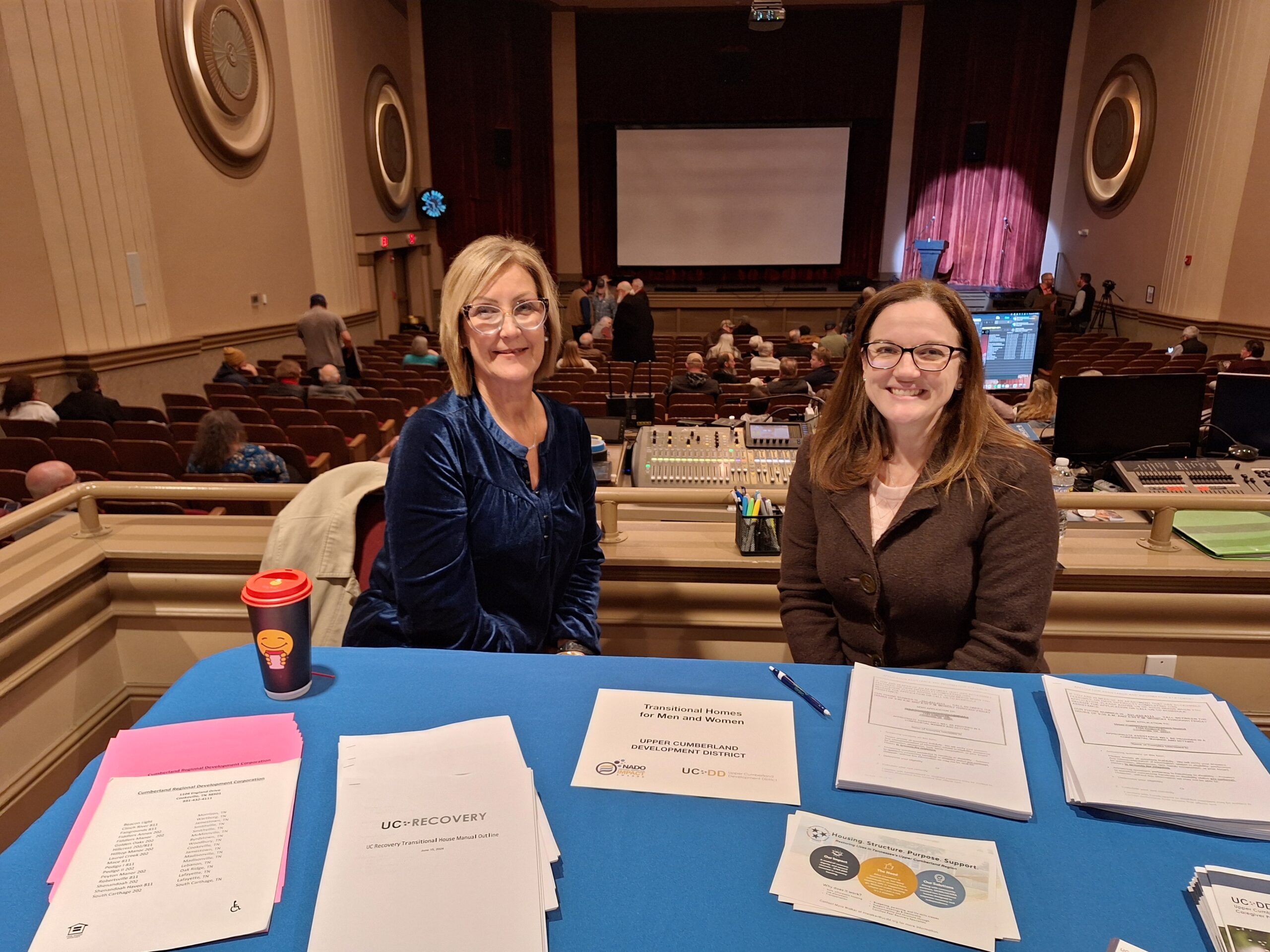
- UCDD-UCHRA photo.
-

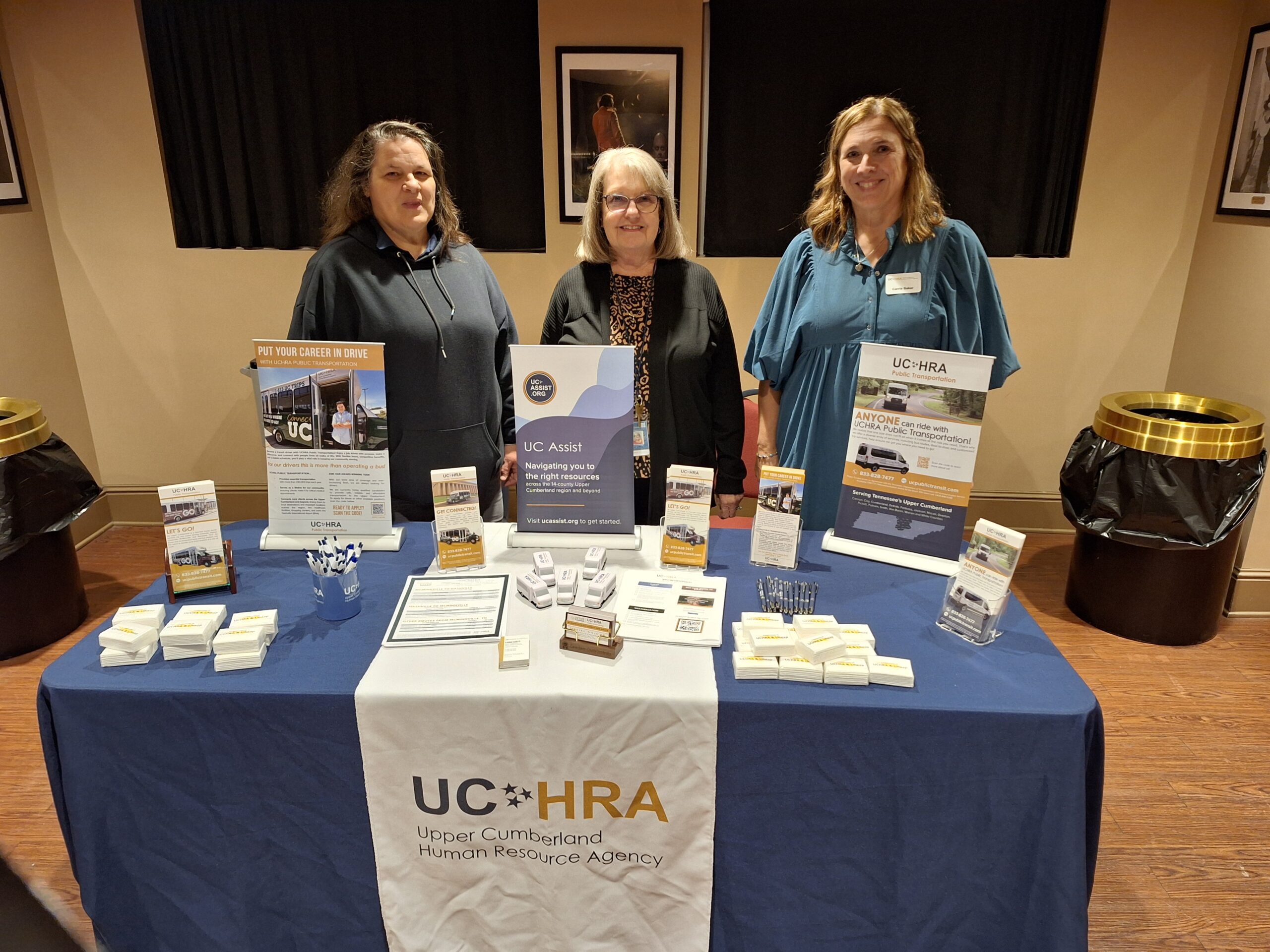
- UCDD-UCHRA photo.
-
- Photo courtesy Herald-Citizen/Southern Standard.
“Are you willing to be a part of the solution in this community and support them?”
This was the question asked of local leadership and the community on Thursday during a showing of “Beyond the Bridge” and town hall meeting hosted by McMinnville Action to Create Housing (MATCH) at the Park Theater. The objective of the evening was to discuss homelessness in Warren County and the creation of a system to resolve it. Leaders in the community came to the table alongside many citizens from all walks of life to take the first steps toward a common goal.
MATCH is a nonprofit which is seeking to develop framework and help create systems to address homelessness by coordinating with local services and fortify them through networking and collaboration. By triaging each individual situation and determining what is needed, the organization feels it can lessen the burden on local agencies by getting people into permanent housing assisting them with the supportive care they need to make positive, lasting change.
The event began with a free showing of “Beyond the Bridge”, which was filmed by Don Sawyer and Tim Hashko. It follows their journey across various parts of the United States, all with the intention of shedding light upon the homelessness in communities. It surpasses the superficial layer of the crisis to a more granular level, focusing on individual stories and the struggles faced by those who are homeless, all with the intention of fostering roots of change and housing-first policies.
In the film, men and women reveal what led to them being homeless; some cite medical bills, growing ill, mental health crises and the lack of security net that allowed them to fall the cracks. All of them share their struggles and the adversity they faced. For many, a single missed paycheck can be the stumbling block into losing one’s home and way of life, and their testimony offered the sentiment credence.
“Beyond the Bridge” broached the subject of permitting homeless individuals to receive permanent housing alongside supportive care to get them back on their feet. Several cities who have enacted such systems shared their journey to accomplishing permanent housing framework, where individuals are treated with dignity. As some in the film pointed out, groups’ promise of housing often comes with a long list of limitations and requirements which are not always feasible for individuals, which can create a very real hurdle for those who are struggling to get their feet back beneath themselves.
A common misconception about housing-first models is that the “free housing” is something which will be abused or is not “earned” by the individual using it. The frameworks shown in “Beyond the Bridge” showcased a variety of communities who employed housing-first plans and supportive care by triaging what led to one being homeless and helping them heal, ending the cycle before it could begin anew. While transitional housing and shelters have their place, those interviewed in the film contend permanent housing raises the success rate exponentially for resolving homelessness.
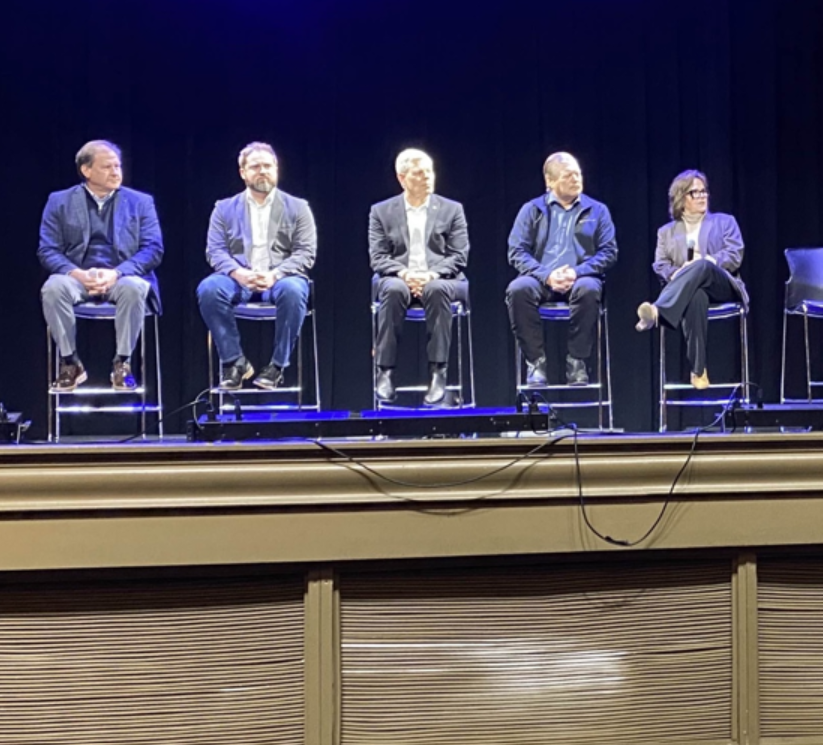
MATCH’s town hall meeting featured Mark Farley from UCDD/UCHRA, McMinnville City Mayor Ryle Chastain, Neal Kelley from Ascension Saint Thomas, Warren County Executive Terry Bell and President of HOME Sheila Fann. They were asked questions by MATCH president Brad Durham and the gathered crowd of community members. As the event was free to attend, anyone in the audience was able to lend their voice to the discussion of how Warren County could engage with and resolve homelessness as well as bring up concerns.
According to the last PIT (point-in-time) count conducted by HOME (Homeless of McMinnville Effort) and volunteers, the unhoused population was estimated to be 95, with 12 of those being in jail. In addition, 113 children in the Warren County School System were considered homeless. The purpose of PIT counts is to get a pulse on the number of homeless individuals in the community in coordination with HART (Homeless Advocacy for Rural Tennessee). PIT counts can be thought of as an annual snapshot cataloguing how many in the county need assistance.
This is not the only method used to determine homeless rates. There are multiple other agencies who quantify the rate, though use different definitions of “homelessness”; these differences can cause confusion or make it unclear how many truly need help in the county.
Farley indicated defining what “homeless” means is of great importance, and should be an initial focus for MATCH’s framework to ensure a cohesive path.
A recurring theme during the town hall meeting centered around the location of funding to spearhead initiatives to provide housing, with Farley praising the tiny house system used by HOME and suggesting it could be explored as a way of providing housing as dense as apartment buildings with less cost. Though the tiny homes are transitional housing, its model is one which could potentially be emulated and expanded upon.
“Sheila has been a rising star in the world for years. Her tiny home project has been one that has been talked about all the way across the state. I hope you understand you’re farther along than you probably think you are,” Farley said of Warren County’s progress toward targeting the issue of homelessness. “If you go out and buy or build apartment units, you’re looking at three to four million dollars. You can add four of those units that she’s doing at a much, much cheaper rate.”
A sentiment echoed by all of the town hall’s speakers was a matter of where funding can be sourced for MATCH’s proposed program and a lack of affordable housing and landlords/property managers who are a part of the McMinnville Housing Authority and utilized affordable housing guidelines.
Affordable housing, by definition, charges eligible tenants 30% of their income as payment for their apartment. This creates a scalable model where someone who makes $100 a month would, using the formula, pay $30 in rent and have the rest of their funds to use for other needs.
Additional concerns centered around the idea other communities bus in homeless individuals, but Fann revealed around 84% of the calls received by HOME were from Warren Countians, not those from neighboring counties.
Homelessness — or the threat of it — is not something which affects only those in the height of their health or youth, however. Bell reported he had received calls from local seniors who were struggling with their rent and, in an effort to find help, they reached out to his office.
A transcript of questions and answers will be provided with the online version of this article on the Southern Standard website.